Basement Waterproofing Essentials for First-Time Homeowners
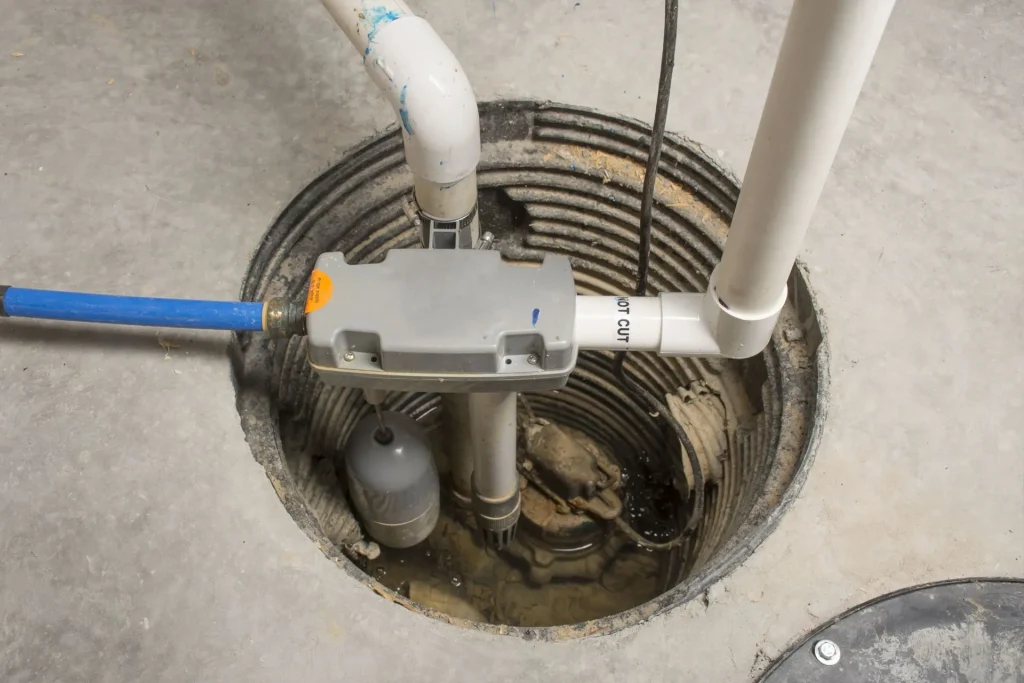
A basement has a way of revealing how a house really performs. Fresh paint and staged furniture can make any home feel solid during a showing, but one hard rain, one spring thaw, or one clogged downspout will tell the truth. For first-time homeowners, that truth often arrives as a musty smell, a dark line along the wall, or a puddle creeping toward the water heater.
Basement Waterproofing is one of those topics people tend to learn only after there is a problem. That is understandable. Most buyers focus on the roof, the furnace, the kitchen, the neighborhood, and the mortgage payment. The basement feels secondary until it does not. Yet basements sit at the point where soil, water, concrete, drainage, and indoor air quality all meet. A small weakness in that system can become an expensive cycle of dampness, mold growth, damaged belongings, and structural wear.
The good news is that many basement moisture problems are predictable, and a large share are fixable without drama if you approach them in the right order. The key is to stop thinking of waterproofing as one product or one contractor visit. It is a system. Water moves according to gravity, pressure, and the path of least resistance. Your job as a homeowner is to change that path before the water enters the house.
What “waterproofing” actually means
When people say a basement needs waterproofing, they can mean several very different things. Sometimes they mean keeping bulk water out during storms. Sometimes they mean controlling chronic dampness caused by humid air meeting cool concrete. Sometimes they mean redirecting groundwater at the footing level. Sometimes they mean sealing a single crack.
Those are not the same problem, and they do not have the same solution.
A basement can feel wet even when no liquid water is entering. Concrete is porous. It absorbs and releases moisture. In summer, warm humid air can condense on cooler basement walls and floors, especially in older homes without insulation beneath the slab. That leaves a damp smell and can even make cardboard boxes soften. At first glance it can look like a leak.
A basement can also take on water only during very specific conditions, such as a two-inch rain after a dry spell, or a quick thaw when frozen ground prevents proper drainage. In those cases, the walls may stay dry most of the year and still leak under pressure for a few hours. That pattern matters because it tells you whether you are dealing with indoor humidity, surface runoff, groundwater pressure, or a plumbing issue.
First-time homeowners often spend money in the wrong place because they are trying to solve a symptom rather than identify the source. Waterproof paint on the inside wall is the classic example. It may improve appearance for a while, but if hydrostatic pressure is pushing water through the wall from outside, paint is not the real answer. At best it buys time. At worst it traps moisture and starts peeling.
The first signs you should not ignore
Most serious basement water problems begin with small clues. The trouble is that new homeowners often rationalize those clues away. A faint musty odor becomes “just an old house smell.” White chalky residue becomes “dust.” A little rust on the furnace base seems cosmetic. It is better to read those signs early.
Efflorescence, the white powder you sometimes see on masonry, is a common clue. It forms when water moves through concrete or block and leaves mineral deposits behind as it evaporates. Efflorescence itself is not dangerous, but it tells you moisture has been moving through the material.
Staining on the lower portion of walls is another giveaway. In finished basements, the evidence may show up as bubbled paint, swollen trim, carpet tack strips that rust, or laminate flooring that cups at the edges. In unfinished spaces, you may notice darker patches after rain or dampness where the wall meets the floor.
Smell matters too. Mold does not need standing water to grow. Repeated elevated humidity is enough, especially around stored fabrics, framing, drywall paper, and dust. If a basement smells earthy or stale after being closed up for a day, there is likely a moisture issue worth tracing.
I once walked through a recently purchased home with an owner who insisted the basement had “never flooded,” which may well have been true in the sense most sellers use the word. There had never been inches of standing water. But the bottom plate of one finished wall had clearly wicked moisture over time, and the backside of the drywall had visible mold growth. The owner had been storing holiday decorations there for months, unaware that the issue was not a dramatic flood but a chronic low-level wetting event every few weeks. That distinction matters because insurance, remediation, and repair planning can all depend on it.
Start outside, because water usually does
The most effective Basement Waterproofing work often begins outdoors. That surprises people who expect the solution to be an interior membrane or sump pump. Interior systems can be valuable, especially when outside excavation is impractical, but the first question is always this: why is water collecting against the house in the first place?
Rainfall should move away from the foundation quickly. If it does not, the basement becomes the backup plan.
The simplest trouble spot is the gutter and downspout system. Gutters that overflow because they are clogged, undersized, or pitched poorly dump concentrated water along the foundation. Downspouts that discharge too close to the house do the same. A roof sheds an enormous volume of water. During a moderate storm, even a modest home can push hundreds of gallons off the roof in a short period. If those gallons land at the corner of the foundation, they will look for a path down.
Grading is the next issue. Soil should slope away from the house, not toward it. Over time, backfilled soil settles. Mulch beds get built up against siding. Walkways shift. Homeowners create planting areas that accidentally trap water. What once drained properly begins to pond. In freeze-thaw climates, this can become much worse over a few seasons.
Hardscape can also create hidden runoff problems. A patio, driveway, or neighboring property may send water toward the house even if your own yard seems acceptable. I have seen homes where one low section of concrete near a side entry quietly directed every storm into the same section of foundation wall. The owner thought they had a basement wall problem. They really had a drainage geometry problem.
If you are not sure where water is going, watch the house during a heavy rain. Few inspections are more revealing. Stand back, look at roof edges, check where downspouts discharge, and note whether water pools near the wall. The basement leak may be below grade, but the cause often announces itself above grade.
A practical order of operations
Trying everything at once is expensive and often unnecessary. Basement moisture work is best handled in stages, moving from the least invasive corrections to the more involved systems.
- Correct roof drainage and downspout discharge first.
- Improve grading and remove obvious surface water traps.
- Seal specific penetrations or cracks where appropriate.
- Control indoor humidity with ventilation and dehumidification.
- Consider interior or exterior drainage systems if water pressure persists.
That sequence saves money because the first two steps solve a surprising share of problems. I have seen homeowners price out major waterproofing systems when the real issue was two downspouts emptying beside the footing and a flower bed built like a shallow basin against the wall.
The difference between dampness, seepage, and structural concern
Not all wet basements carry the same level of risk. A little condensation on cold pipes is not the same as water entering through a cracked wall under pressure. First-time homeowners need a clear sense of what is annoying, what is harmful, and what deserves immediate professional attention.
General dampness usually points to air moisture rather than direct water entry. The basement may feel clammy, especially in summer. Windows may fog slightly. Stored paper and fabric may absorb odor. This problem can often be improved with a properly sized dehumidifier, air sealing, insulation in the right places, and a check for dryer vents or bathroom fans exhausting incorrectly.
Seepage is more specific. Water may appear where the wall meets the floor, through porous spots in masonry, or from hairline cracks after rain. This is common in older foundations and often indicates either surface drainage failures or groundwater pressure. It should not be ignored, but it does not automatically mean the foundation is failing.
Structural concern enters the picture when cracks are wide, actively changing, or accompanied by wall bowing, displacement, or repeated movement. A vertical shrinkage crack in poured concrete can often be injected and monitored. A long horizontal crack in a block wall, especially if the wall is leaning inward, is a different category. That calls for a structural evaluation, https://andreshejz399.oakmontscope.com/posts/why-basement-waterproofing-matters-in-snowy-and-wet-climates not just moisture control. Waterproofing and structural repair overlap, but they are not interchangeable.
Crack sealing, and when it works
First-time homeowners are often tempted by a tube of sealant and a free weekend. Sometimes that instinct is reasonable. Sometimes it is wishful thinking.
If you have an isolated non-structural crack in poured concrete and the wall is otherwise sound, an epoxy or polyurethane injection performed correctly can be an effective repair. The crack needs to be understood first. Is it a typical shrinkage crack from curing? Is there lateral movement? Does the crack widen toward the top or bottom? Does it leak only under certain conditions? Those details matter.
Hairline cracks in block foundations are less straightforward because block walls contain hollow cores and mortar joints that can allow water to travel unpredictably. You may seal one visible path and still have seepage reappear a foot away. In those cases, broader drainage management is often more useful than surface patching alone.
One common mistake is relying on interior patching while ignoring exterior water load. Even a well-sealed crack can fail if water continues to collect outside the wall and pressure increases. Crack repair should be part of the system, not the whole system.
Interior drainage systems and sump pumps
There is a reason interior drainage systems are common. In many homes, exterior excavation is disruptive, expensive, or blocked by decks, porches, property lines, or mature landscaping. An interior perimeter system can relieve pressure beneath the slab and along the footing, then direct water to a sump pit for discharge.
This approach does not stop water from reaching the outside of the foundation. Instead, it manages water once it gets there, before it rises into the finished space. That distinction is important. It is often very effective, but it is a water management system rather than a magical shield.
A sump pump is only as reliable as its design and maintenance. Homeowners should know whether the pump has battery backup, where the discharge line exits, whether that line can freeze in winter, and how the check valve is performing. I strongly prefer a visible test routine, especially before storm season. Pour water into the pit, confirm activation, and make sure discharge carries well away from the house.
Power outages tend to happen during severe weather, which is exactly when a sump pump is most needed. If your basement has a history of water entry and the pump is your main defense, backup power is not a luxury. It is part of the system.
Exterior waterproofing, when the bigger fix is justified
True exterior waterproofing usually means excavating down to the foundation wall, repairing defects, applying a waterproof membrane, and improving drainage at the footing level, often with drainage board and proper backfill. This is the most thorough option in many cases, and also the most expensive and disruptive.
For some homes, it is absolutely the right choice. If the foundation wall itself is deteriorating, if there are persistent leaks through multiple sections, or if a major renovation is already opening the site, exterior work can solve the root condition more directly than interior management alone.
Still, it is not always necessary. I have seen homeowners spend heavily on full excavation when modest exterior drainage corrections plus interior humidity control would have handled the actual issue. The best contractors are not the ones who automatically recommend the largest project. They are the ones who can explain why one level of intervention is justified and another is not.
The humidity piece most new owners miss
A basement can stay dry from a leak standpoint and still be too damp for healthy use. That matters if you plan to finish the space, store clothes, keep books, or use it as a gym or office.
Relative humidity in basements often climbs in summer because outdoor air carries a high moisture load. Opening windows may make the space feel fresher, but it can raise humidity if the air outside is warm and wet. A dehumidifier is often a smarter tool than extra ventilation in those months.
Aim for a basement that feels neutral, not clammy. In many homes, a relative humidity level around 50 percent, sometimes a bit lower, is a reasonable target. The exact number depends on climate, temperature, and how the space is built, but if you regularly see levels in the 60s or higher, mold risk and odor tend to increase.
Storage habits matter here too. Cardboard boxes placed directly on the slab absorb moisture. Rugs with impermeable backings can trap condensation. Finished walls without proper vapor strategy can hide trouble for months. If the basement is not consistently dry yet, store items on shelves and keep them off the floor. It is a simple habit that prevents a lot of quiet damage.
If you are planning to finish the basement, slow down first
Nothing is more frustrating than paying for a beautiful finished basement and then opening it back up a year later because of moisture problems that were there all along. First-time homeowners, especially after a big purchase, often want to make the house feel complete. The basement seems like easy bonus square footage. It can be, but only after moisture control is proven.
Before framing walls, adding flooring, or closing up utility areas, live through at least one wet season if possible. Monitor humidity. Inspect after storms. Look for recurring damp spots. Use a moisture meter if you want more certainty. The lesson here is simple: a basement that appears dry for three sunny weeks tells you almost nothing.
Materials also matter. Basements are harder on finishes than above-grade rooms. If there is any unresolved moisture history, think carefully about wall assemblies, insulation type, trim material, and floor choice. A luxury finish package can be the wrong fit for a basement that still has environmental risk.
How to choose a contractor without getting sold the wrong fix
Water problems make people vulnerable to sales pressure because the stakes feel urgent. Nobody wants mold, damaged belongings, or a ruined remodel. That makes basement work a field where presentation can outrun diagnosis.
Ask contractors what they believe the source of water is, not just what they propose to install. A credible answer should connect observable conditions to a water pathway. If they recommend a system, ask what simpler corrections have already been ruled out and why. If they propose structural repair, ask what evidence supports movement rather than ordinary shrinkage.
It also helps to get estimates from companies with different specialties. A drainage contractor, a foundation repair specialist, and a general waterproofing company may frame the same basement differently. You are not looking for identical bids. You are looking for whether multiple experienced people see the same cause.
Watch for certainty that sounds too effortless. Basements can be tricky. Groundwater, grading, old repairs, hidden finishes, and weather patterns all complicate diagnosis. Professionals who acknowledge those variables usually inspire more confidence than the ones who claim every wet basement needs the same package.
A short seasonal routine that prevents bigger headaches
Homeownership gets easier when maintenance becomes a rhythm rather than a reaction. Basements reward that approach.
Check these items a few times each year:
- Clean gutters and confirm they drain freely.
- Make sure downspouts discharge well away from the foundation.
- Walk the perimeter after heavy rain and look for ponding or erosion.
- Test the sump pump and backup if your home has one.
- Monitor basement humidity during warm months.
That list is short on purpose. The point is not to turn you into a full-time caretaker. It is to catch the ordinary things that create extraordinary moisture problems when ignored.
What a realistic budget looks like
Costs vary widely by region, house age, access, and severity of the problem, so exact numbers are risky. Still, first-time homeowners deserve a rough sense of scale.
Basic drainage improvements such as extending downspouts, adjusting grading, and cleaning or repairing gutters can often be handled for relatively modest sums, sometimes in the hundreds, sometimes into the low thousands if regrading or masonry work is involved. Crack injection for a straightforward poured concrete wall crack may also land in that lower range, depending on access and severity.
Interior drainage systems with sump installation usually step up into a more serious investment. Exterior excavation and waterproof membrane work typically costs more still, sometimes substantially more, because labor, access, restoration, and site conditions all add up quickly. If structural repair is needed alongside moisture control, budget pressure rises again.
That range is exactly why diagnosis comes first. There is a vast difference between a $400 fix and a $20,000 project, and both are called “basement waterproofing” in ordinary conversation. Being precise about the problem protects your budget.
What matters most in the first year of ownership
If you are new to homeownership, your goal is not to know everything on day one. Your goal is to observe carefully and act in the right order. Basements reward patience, pattern recognition, and basic maintenance far more than panic buying.
Learn how your house behaves in rain. Notice smells, stains, and humidity changes. Keep water moving away from the structure. Respect any sign of repeated seepage. Distinguish between cosmetic moisture issues and structural warning signs. And if you need professional help, make sure the proposed solution matches the actual source of water.
A dry basement is not luck. It is the result of drainage, pressure relief, sound materials, and attention to small clues before they become large repairs. For first-time homeowners, that is one of the most valuable lessons a basement can teach.
ARD Waterproofing
98 Smull Ave, West Caldwell, NJ 07006, United States
+1 917-691-8411
FAQ About Basement Waterproofing
Can you 100% Waterproof a Basement in West Caldwell?
A properly designed system can substantially reduce basement water intrusion, but no method can promise protection against every flood, equipment failure, or future change in site conditions. The first step is identifying whether moisture comes from surface runoff, groundwater, plumbing, or condensation. Solutions may include grading and gutter improvements, drainage, foundation repairs, and a sump system. Review the specific coverage and exclusions of any written warranty.
How much does it cost to professionally waterproof a basement in NJ?
There is no single price that fits every basement. Cost depends on the cause of the leak, the area needing work, access, excavation requirements, drainage design, sump equipment, and restoration of disturbed finishes or landscaping. Request an on-site assessment and an itemized written estimate that explains the scope, exclusions, and maintenance requirements before comparing proposals.
How long does foundation waterproofing last in West Caldwell, NJ?
Service life varies with the waterproofing materials, installation quality, soil and water conditions, and maintenance. Drainage components and pumps may require servicing or replacement even when other parts of the system remain functional. Keep gutters, drainage outlets, and sump equipment maintained, and have recurring leaks or changes in foundation condition assessed. Ask for product-specific expectations and written warranty terms rather than relying on one lifespan for the entire system.
Ends · JASPERDQEE978